
What Equipment Do I Need For An Acoustic Gig
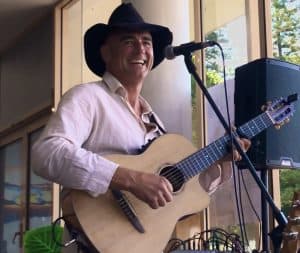
Basic Equipment List You Will Need For Professional Acoustic Gigs Plus Tips
1 Acoustic Guitar With a Decent Pick Up
2 Powered Speakers x 2
3 Sound Mixer External Effects Such
as Reverb and Delay
4 Microphone For Vocals
5 Microphone Boom Stand
6 Speaker Stands For Powered Speakers
7 Microphone Lead’s, Guitar Lead’s, Speaker Leads
9 Guitar Strap
10 Capo
11 Guitar Tuner
12 Guitar Stool
13 Guitar Stand
Extras
14 Stomp Percussion Box
15 Looper Pedal
16 Subwoofer
17 Lights
18 Music Stand
19 Black Curtain’s for Tidying Stage
20 Miscelaneous Spares
Spare Strings, Wire Cutters,
Spare Batteries, Pickups , Spare
Picks, Gaffer Tape, Small Plyers
21 Bags for Equipment
22 Extra Spares Spare Guitar, Spare Microphone
23 Break Music
About This Article
All you need in theory for an acoustic gig, is guitar,mic,acoustic amp(with built in mixer and effects),mic and speaker stands,leads, and maybe a few lights. This setup will limit you to small rooms and restaraunts and see you doing gigs mainly as background music ….which is fine for those gigs. If you want to perform, entertain and address the audience in bigger than restaraunt size rooms ,and have backup to keep your professional show moving, you will need to look at this list in detail. Even if you are doing background gigs , use this list to top up your profesionalism to work towards bigger gigs.
This list is a basic equipment list you will need for profesional acoustic gigs . I will go through this list with you to help you start gigging, and also clue you in on the essential extras you will need to make your show’s successful, and to keep the gig afloat , because the show must go on ! I want you to be able to avoid the simple things that can stop a gig in its tracks .
The PA system
A PA system is short for public address . All the equipment listed above is basically a system that will allow people in a larger room to hear you play and sing clearly by amplifying your sound. The equipment you use and how you use it will determine how you sound to other people at your gigs. Take some time to understand what the equipment can do and learn how to use it the best you can . Its not as hard as you think.
I want to guide you on getting the right gear for a small/medium set up .
1 Acoustic Guitar With A Decent Pickup


Approx Cost Between $400-$3000 or Upwards
Good Brands Include: Maton , Cole Clark Yamaha, Martin , Takamine, Taylor, Guild Gibson
Ask Yourself These Questions With Your Guitar
1 What quality acoustic guitar do you have?
2 Is it in good condition for playing ?
3 Does it sound good before you even plug it in?
4 Has it been set up for correctly with its action?
5 Does it need adjusting.
These can be really simple things to fix. If your guitar is too cheap and hard to play you may be putting yourself at a disadvantage to start with .
Make sure your guitar doesn’t have anything simple wrong with it that will make it sound not as good as it could . If you are in doubt then seek some advice from a pro player. Remember this is one the central most important pieces of equipment of your gig , and soon it will be amplified by the PA and broadcast louder and clearer to the public , so you want your guitar to sound good within itself , as well as when it is amplified,… right ! A little bit of good advice can save you a lot of hassle .
If it sounds good , has a decent pickup, feels good to play, then that’s great! You should just be able to plug it into a PA .
Guitar Pickup


Your acoustic guitar will need to have a decent pick up in it . Most acoustic guitars with pickups these days are pretty good . Most decent brand of guitars will install these pickups ready to go . Pickup controls on the side of the guitar(as pictured) is a must!
Check with a music professional that your guitar pickup sounds decent through a PA system . Take it into a shop and ask to plug it in if you havent got speakers yet. . This is a great way to test out some powered speakers . Ask yourself how it feels when you play it through a PA system. Guitar pickups can vary quite a bit and it makes sense to play around with them and understand how they basically work to see if you can get a sound that feels good while you play. The more you feel good while you play, the more positive the experience that will translate into the audience feeling good while they listen .
2 Powered speakers


Estimated Cost Between $300 ea to $2500 ea or upwards
Good Brands Include: Bose, JBL, Mackie, Yamaha
Powered speakers are speakers that have amplifiers built in to them . Powered speakers are definitely the best way to go .They are simpler, easier to set up, save space, and the range and quality of powered speakers these days is great. The alternative is to have separate amplifier and separate speakers which take longer to set up take up more space and generally weigh more.
It is best to have two at least powered speakers for your acoustic gig . One speaker will be used close to you, for you to monitor your sound and to hear your playing and singing clearly . The other will be used mainly for getting your sound louder out into the room for the audience . You can get by with one speaker , but your sound volume and sound spread will be compromised.
Decent powered speaker brands are : JBL,Mackie, Yamaha
How many Watts Do I Need For An Acoustic Gig With Powered Speakers?
This question is very open ended and could be the topic of a very long article in itself.
Lets look at it this way. How loud and clear do you want to be for any given venue?
If you are background music in a small room, one or two 200 watt speakers will sufice, ,even then you wont need to run them hard. In a bigger room you will need at least two 400 watt speakers to deliver a full sound that will present a musical performance in its fullness.. Even then you may need to add a sub, which we will cover later. When I say in its fullness , I mean the full body of sound from low frequency warmth to clear high frequencies,
3 Sound Mixing Desk With Effects


Estimated Cost Between $170 to $2000 and Upwards
Good Brands Include: Allen and Heath , Mackie , Peavey , PreSonus
A mixing desk is a piece of equipment that will mix the sound of your guitar, vocal (and any other instruments that are plugged in) and blend effects like reverb and delay , mix all these sounds together to the right levels and send these sounds to the powered speakers . The actual levels and mixing settings will be set by you or someone else, probably you if you don’t have your own personal live sound engineer.
Having effects on these mixing desks is a must . The effects you will need are reverb and delay. Some desks don’t have effects but have provisions to add effects externally or auxiliary effects . This provision is known as auxiliary effects send and return . I highly recommend for musicians that are new to gigging, to buy themselves a sound mixing desk that has effects built-in . This will save you time set up and also save you confusion in how to run your effects . If you use of auxiliary effects it can work great, but you will have the extra set up time and fiddling to set the levels correct . If you are tech minded and don’t mind going the extra yards to seek out the exact type of effects you want for your vocal then that is cool . I actually do both , I have a small desk with built in effects for smaller gigs and a larger desk with no effects that I use other auxiliary effects to plug into the desk .
Not having any effects at all on vocal especially, can make for a really dry and dead listening experience, especially if the room is heavily carpeted or dead sounding to start with.
I was at a house party recently and there was a small acoustic group playing there .They were on a tour of the East coast, and did not have any effects on the desk whatsoever and didn’t seem to care. They sounded so dead and dry despite the fact they were all decent muso’s with good songs. Dont diminish your performance with no efeects, as many modern muso’s seem to do .
Effects when used in the right way can really make your sound sparkle . There is an simple important approach to reverb and effects .I have heard many performers use no effects and it is not very impressive .
I have also heard many performers use too much effect this can be equally as annoying . it just sounds like they are playing in a cave. there is a happy balance, but you definitely want the option to control the effect ambience off your sound in any room . Onboard effects on a mixing desk will give you this. It will also help you get into the vibe of the song performance when you set these levels right . If you are in the vibe, then so will the audience .
4 Microphone For Vocals

Estimated Cost Between $99 to $700
Good Brands Include: Shure Sennheiser, Audix, Beyer
You will need a decent quality microphone to sing through . don’t buy some karaoke El cheapo toy thing and hope that it is ok . Great all rounders mics for vocalist’s live are:
Shure SM58 $99
Shure Beta 58A $ 159
Sennheiser e835 $99
Audix OM3 $130
Shure Beta 87A $249
I am using the good old standard Shure SM58 for live sound . I can’t remember how many times I have dropped these mics and they still work .
Remember all microphones have a different flavour of sound, and all voices are different! To put it another way , you can have dark mic’s and bright mics. Also you can have bright sounding voices and mellow(or dark) sounding voices.
5 Microphone Boom Stand
Approx Cost Between $70 to $200
Good Brands Include: Tama, Hercules ,K&M

You will need a boom stand for your microphone . The boom will allow you to position the microphone to a comfortable position whether you are sitting or standing . A standard straight up and down mic stand will not cut it for gigging when playing the guitar , You will not get comfortable and it will be awkward to get to the microphone properly. Get a decent solid boom stand. Unless you don’t play guitar and plan on dancing round the stage with a straight up and down mic stand like Rod Stewart (an old stone age rocker ) , you will need a boom micstand.
6 Speaker Stands For Powered Speakers

Approx Cost Between $40 and $100 ea

Speaker On Stand
Good Brands Include: Hamiton
You will need adjustable stands for your powered speakers . Make sure the speaker stands are strong enough for your speakers . Most lightweight aluminum stands for speakers are good . Don’t use thin flimsy lighting stands and make sure the base opens up enough so your speakers don’t fall over on anyone or anything . Light weight but strong aluminum stands that are meant for speakers are the way to go . Getting the speaker’s up over the heads of listeners is crucial if you want people to understand the words you are singing and speaking. If the speakers are on the ground your vocals and entire sound will be muddy muffled and extremely compromised. Powered speakers have woofers and tweeters , or low frequency driver( woofer) and high frequency driver( tweeter) If the tweeters are not above the head-height of your audience your sound will not be as clear as it should. Your vocals will be hard to understand . This can be the difference to connecting to your audience or not connecting .If people cannot understand what you are saying or singing ,..they will tune out …period. You want people to understand your vocals while you are singing, and while you are talking to them .
7 Microphone Leads, Guitar Leads, Speaker Leads

A guitar lead has a 6.5mm plug on it and looks like this
Approx Cost between $20 to $50 ea

Good Brands Of Guitar Leads Include:Ernie Ball, Mogami Gold, Pig Hod ,Amboz Red Dragon,Fender,Lynx Pro , MonoPrice Premier,Vitrius Cables Silverback Roar
Microphone Leads are also called XLR leads and looks like this .


You will need spares of both of these leads when you gig . Always carry the right spares, you will not regret it . At some stage your leads will fail you. Don’t be the chumpy faced amateur that has to finish up the gig early because of something as simple as a dud mic or guitar lead.
Speaker Leads
Most powered speakers will use XLR cables (leads) to run from the sound mix desk to the powered speakers. These leads are exactly the same as microphone leads and 90%of the time are wired the same way. It’s always a good idea to check the manual of your sound mixer to make sure the cables you use to run to your speakers are wired the same as a microphone cable. This is very standard these days. For this reason try and select a sound mixer with XLR outs. this also means that your sound mixer is sending balanced out to your speakers. Have at least 1 longer speaker lead so you will have an option to move your main speaker into the best spot for the audience, because venue size will vary.
8 Guitar Strap

Good Quality Wide Leather Strap
Approx Cost Between $20 to $80
Good Brands Include :Fender ,Di Marzio,Calvary Straps ,Planet Waves,….and any good custom strap maker
Guitarists must have decent guitar straps to play live whether they are sitting or standing . It is amazing how much difference having a quality strap makes!
If you have mostly played at home and you are now wanting to gig, adding a guitar strap will keep everything steady for you even if you are sitting . It will keep the guitar at the right level for comfortable playing . I recommend strap locks as well .
This pic shows my leather strap on my acoustic. A wide strap is good because it spreads the weight across your back and shoulder, which makes it comfortable and easy to balance the guitar while playing. This is especially good if you are playing an electric or bass when standing,…stops the weight from cutting into your back after long periods of time which means you can play longer .
9 Strap Locks
Aprox Cost $10 to $25
Good Brands Include: Fender , Dunlop, Schaller
These clip devices attach to your guitar strap and lock on to your guitar so it won’t fall in the middle of a song and smash down to the ground damage your guitar paintwork or guitar neck. This has happened to me a number of times while gigging! I still have the guitar scars to prove it .These locks also allow you to move around more without worrying so much about the guitar falling . Just about every muso I know has gone through this. Save some grief and spend 20 bucks and get them!
10 Capo`

Estimated cost aprox $15 to $30
Good Brands Include: Kyser, Di Adario, Nordic Essentials, Shubb


A capo is a device that allows you to change key of any song by raising the position of the nut to the desired fret.
Every acoustic guitarist should have one they bring a change of flavour to the sound instantly.
A good quality capo is that is quick to use and has enough tension to do the job is a must . Some El cheapo capo’s are not strong enough to press the strings down hard enough with even tension to make your chords sound clean . Don’t even bother with the elastic clip on type, they are dumb and will waste time on stage in between songs.
Capo’s give the audience a break from the standard open chord sound, making it more interesting for the listener. Carry a spare Capo as well… Capos can break!
11 Guitar Tuner

Approx cost between $15-$100
Good Brands Include: Korg , D’Addario, Boss , TC Electronics,

A clip on guitar tuner is a must , I have one on each guitar live when I play. These are a cheap item to purchase ($15) and work really well for a quick tune up in between songs.
Make sure you can calibrate your tuner , which means fine tune for example most tuners are at a standard of a= 440htz,…some people like myself will calibrate a=432htz, which is a tad lower than standardized pitch.
I do have a more expensive guitar tuners that I use for guitar technical adjustments but, for playing live these clip on tuners work great ! A clip on tuner that attaches to the headstock like in this photo, and is great because all you have to do in between songs is turn your guitar volume down and then tune up. You don’t have to unplug or bend down etc . This saves time and keeps the flow of the show.
12 Guitar stand

Guitar Stand $15
Approx $10 to $30
Good Brands Include:
Your guitar on a stand helps keep your guitar out of the way on stage an it looks great. It’s on display waiting for you to play it , rather than in its case where no one can see it and where you can trip over it . The small fold up type take up very little space add help tidy up your stage.
13 Guitar stool
Will you be sitting or standing or a bit of both? If you are sitting on a stool it is best to have the same stool to sit on every time you play, otherwise if you rely on finding one at the venue, it maybe a completely different height which would change playing style and the way you actually play . The same stool helps you to be more consistent with your playing.
There are all sorts of fold up stools .Get yourself a sturdy one .
Extras
14 Stomp Percussion Box

Approx $100 to $300
Good Brands Include: Wazinator ,Puckn Stomper,Log Jam Logarhythm, Roland SPD-1K

A Stomp box is a percussion foot device that adds beat to your playing . It is also one of the top two pedals that I recommend a guitarist own.
These boxes are a great way great for adding beat to your acoustic shows .They help drive a song and give it more life, and get people’s feet tapping as well as encouraging them to dance . It is also great for your own internal rhythm.
Like most guitarist’s I hesitated for years before using one at my acoustic gigs because I wasn’t confident I could use it properly . I have a lot to say on this topic , check this article out article here on “8 reasons a Stomp inbox improve your rhythm playing” I swear by these boxes a number of reasons, not just because they sound good at gigs but because a stomp percusion box give you a deep connection to your internal rhythm .
15 Looper Pedal

Aprox Cost:$100 – $1000
Good Brands Include:
A looper pedal is in my top two pedals that a guitarist should own .A looper pedal is a device that allows you to play, record and instantly playback along with your own playing . They can be used to spice up the show and let you loose on some lead playing , which lets you add guitar harmony and different voicings on guitar. They are also a great songwriting recording tool for home , by allowing you to lay down ideas quickly and simply.
16 Subwoofer
Approx $500to $1000
Good Brands Include: JBL, Mackie, Yamaha, Bose
You wont always need a sub some venues it will definitely be overkill but some bigger venues you may require some punch down low to fill the room .
A subwoofer is an extra powered speaker you could add to your Pa to give it extra bottom end low frequencies or extra oooomf .Technically it is adding low frequencies to your sound generally between 30-100hz. A subwoofer will give your overall sound more warmth and punch! If you are using a stomper it will drive this aspect of your sound more also . Your acoustic guitar will sound a bit fuller as well .
17 Lights
Approx Cost Between $50-$500 for a small setup
Good Brands Include:
If you are going to be playing at nightime you will need some lights , otherwise you will be relying on the house lights which may or may not be adequate. There is nothing worse than listening to good music under a bank of static fluro’s. It kills the mood and wont do you any favours with helping you connect with your audience in any way. I prefer reds and yellows and even some uv these days ,…seems to feel much better for the audience as well .
18 Music Stand page Turner or iPad
Some gigs it is acceptable for you to have a music Stand or iPad in front of you . Restaurants beer gardens background music for dinner music at weddings not a prob . Other performances it is not. A song is delivered differently when the musician knows if off by heart rather than reading it from a written source . If you’re doing a showcase gig at a festival ask yourself how it might look to the audience if they see you reading your words or chords . If you cant be bothered to learn your words or chords for an important showcase gig what the hell are you doing there? If you want a song to really kick ass then learn it and, get it under your skin so you can deliver it with feeling and conviction .
Think of it this way …If you are delivering a performance that you want people to watch, do you want them to watch you reading music?
19 Black Curtains For Tidying Stage
Approx Cost $30-$100
Some things on stage will need to be covered or tidied up .A few small black curtains are just the ticket. Stage presentation is important . Don’t make the stage like a messy bedroom. Be neat.
20 Miscelaneous Spares
Spare Strings
Approx $10 to $20 per pack of six
Good Brands Include: Elixer, D’Addario, Augustine


You will break strings at gigs . this will probably happen do I in the middle of your best song when you least expect it, but don’t worry ,…you have spare strings, better still you might even have a spare guitar. Carry at least couple of sets off spare strings every gig .
Wire Cutters Screwdrivers and Torch

Wire cutters come in handy for snipping strings after string changes ,so you don’t poke your eye out or a fellow muso! Screwdrivers come in handy for anything you have to take apart to try to get you through the gig . A torch is handy because stages can get dark .
21 Bags For Equipment

Approx Cost $15-$30 ea
You will want decent easy access zip or clip lightweight bags for putting leads and accessories in, preferably black. Bright coloured bags will look weird onstage trust me . Often there is nowhere but the stage area to store the bags once you have set up, black blends in way better than brighter colours, and keeps your equipment organised and neat.
22 Extra Spares
Spare Guitar Spare Mic
Spare Guitar
I personally always have at least two guitars at a gig . If I break a string I can always pick up my second guitar so the show never stops . This may not be an option for everybody , in which case you need to be an expert in quick string change’s.
Spare Mic
It is very rare that a mic will die on you (especially a Shure SM58) but it can happen. A spare mic takes up very little space and will give you peace of mind. I sometime jam with other musos and carry one for that purpose as well.
23 Break Music
This is a no brainer . Its up to you to bring your own music to play in your breaks. Have your music player sorted and the leads and connections as well . Most Mp3 player will have a stereo 3.5mm jack out , this will typically plug into a 6.5mm stereo input or RCA stereo input. If you are using a Samsung phone the output will be 3.5mm also . If you have an iphone you will have to get a lightning adaptor as well .
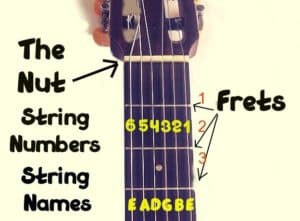


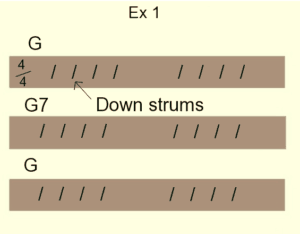


 Give it a strum use the fingertips arch so they don’t touch other strings and strum all the strings . Nice sounding chord hey!


